Most homeowners don’t expect remodeling projects to spiral out of control. Yet cost overruns, delays, and unexpected repairs remain some of the most common complaints in residential construction. In many cases, the issue isn’t poor workmanship, it’s weak construction risk management.
Risk exists in every construction project. The difference between a smooth experience and a stressful one comes down to how well those risks are identified and managed before work begins. That’s where professional construction project management plays a critical role.
What Construction Risk Management Really Means
Construction risk management is the process of identifying potential problems early and planning for them before they impact budget, schedule, or quality. It’s not about eliminating risk entirely that’s impossible. It’s about controlling risk so surprises don’t derail the project.
For homeowners, this means:
- Fewer unexpected costs
- Fewer schedule delays
- Better communication
- More predictable outcomes
A proper construction risk assessment starts long before demolition or ground-breaking.
Common Risks in Residential Remodeling Projects
Every home has unknowns. Experienced contractors know where problems are most likely to appear.
Hidden Structural Issues
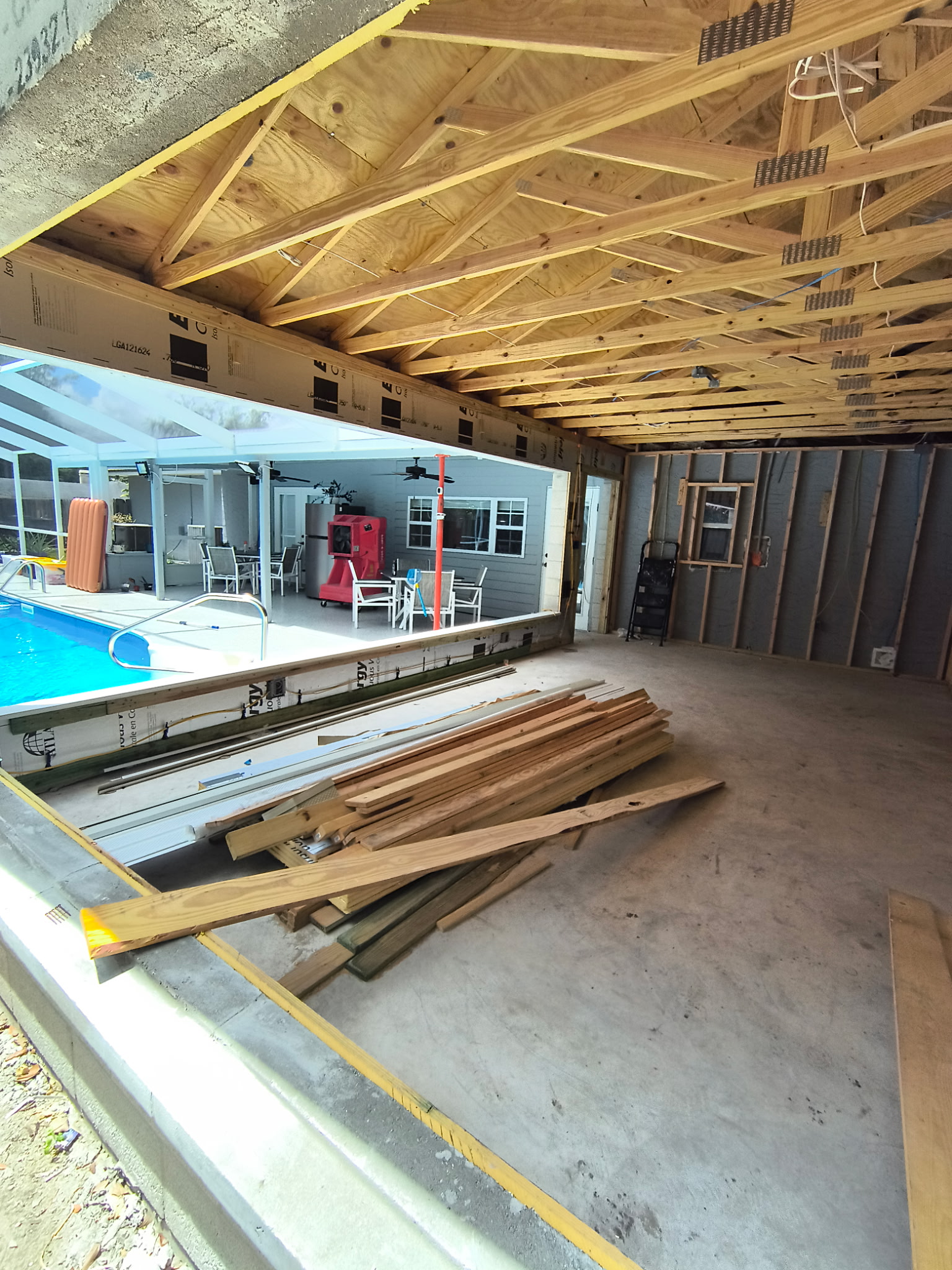
Older homes often conceal framing damage, outdated wiring, or plumbing problems behind walls. Without early inspection, these issues surface mid-project, forcing rushed decisions and added costs.
Outdated Mechanical Systems
Electrical panels, HVAC systems, and plumbing lines may not support new layouts or added square footage. Identifying these limitations early allows for planned upgrades instead of emergency fixes.
Material Availability Delays
Supply chain disruptions and long lead times can stall projects. Without contingency planning, a single delayed material can bring work to a halt.
Strong construction risk management accounts for these realities upfront.
How Construction Risk Assessment Protects Homeowners
A construction risk assessment evaluates potential issues before they become problems. This includes:
- Structural inspections
- Review of existing systems
- Site access challenges
- Code and permitting considerations
- Scope clarity
The goal is simple: fewer unknowns once construction begins.
Homeowners often underestimate how many decisions happen before the first hammer swings. Contractors who invest time in assessment reduce mid-project changes that inflate costs.
Why Poor Risk Planning Leads to Cost Overruns
Most cost overruns aren’t caused by greed or mistakes — they’re caused by reaction. When a problem appears unexpectedly, options are limited, timelines tighten, and costs rise.
Examples include:
- Discovering plumbing issues after cabinets are ordered
- Realizing structural reinforcement is needed mid-build
- Changing layouts after materials are purchased
Effective construction project management anticipates these risks instead of reacting to them.
How Good Contractors Manage Risk Effectively
Clear Scope Definition
Ambiguity is expensive. Clear scopes prevent misunderstandings and constant changes during construction.
Realistic Timelines
Overly aggressive schedules increase mistakes and stress. Realistic timelines allow for inspections, approvals, and material coordination.
Contingency Planning
Smart budgets include contingency allowances. This doesn’t mean spending more — it means being prepared if issues arise.
Consistent Communication
Regular updates keep homeowners informed and involved, reducing frustration and uncertainty.
These practices form the backbone of professional construction risk management.
Why Risk Management Saves Money Over Time
Some homeowners worry that risk planning increases upfront costs. In reality, it usually saves money by:
- Preventing rushed decisions
- Reducing rework
- Avoiding project stoppages
- Minimizing stress-related changes
Planning is always cheaper than fixing problems after they occur.
What Homeowners Should Ask Before Hiring a Contractor
To gauge a contractor’s approach to risk, ask:
- How do you handle unexpected issues?
- What inspections happen before construction starts?
- How do you manage schedule delays?
- Is contingency planning included in the budget?
- How often will updates be provided?
The answers reveal whether risk management is proactive or reactive.
The Role of Construction Project Management
Construction project management ties everything together. It coordinates trades, materials, inspections, and schedules while keeping risk under control. For homeowners, this means fewer surprises and clearer expectations from start to finish.
Projects with strong management don’t just look better — they feel better throughout the process.
FAQs About Construction Risk Management
1. Is construction risk management only for large projects?
No. Even small remodels benefit from proper planning and assessment.
2. When should risk assessment happen?
Before finalizing design, budget, and schedule.
3. Does risk planning slow down construction?
No. It usually prevents delays later.
4. Can homeowners manage construction risk themselves?
Some risks can be managed, but technical issues require experience and expertise.
5. Is contingency budgeting necessary?
Yes. It protects homeowners from financial stress if issues arise.
Successful remodeling projects aren’t defined by luck. They’re defined by preparation. Strong construction risk management helps prevent cost overruns, delays, and frustration by addressing problems before they start. When paired with professional construction project management, homeowners gain clarity, confidence, and control throughout the build.
Choose a contractor who prioritizes construction risk management from day one. Working with a team that performs thorough construction risk assessments and manages projects proactively can make the difference between a stressful remodel and a successful one. Schedule a consultation to protect your investment before construction begins.