Plan a Home Addition in Florida? Running out of space in your home doesn’t always mean it’s time to move. For many Florida homeowners, a well-planned home addition can be a smarter investment than buying a new house. Whether you need an extra bedroom, larger kitchen, home office, in-law suite, or expanded living room, adding square footage can improve both daily life and long-term property value.
But before construction starts, it’s important to understand what goes into the process.
At Evangelisto Construction, we help homeowners turn ideas into functional, high-quality additions built the right way. If you’re considering expanding your home, here’s what to know first.
Why Homeowners Choose an Addition Instead of Moving
Many families love their neighborhood, school district, or location—but the house no longer fits their needs. A home addition can solve that without the stress of moving.
Common reasons include:
- Growing family
- Need for guest space
- Home office needs
- Aging parents moving in
- Larger kitchen or entertaining area
- Better resale value
- Avoiding today’s housing market costs
When designed properly, an addition can make your current home feel brand new.
Step 1: Define the Purpose of the Space
Before discussing cost, decide exactly what the addition needs to accomplish.
Examples:
- Bedroom and bathroom suite
- Expanded master suite
- Garage conversion
- Family room extension
- Covered lanai enclosure
- Second-story addition
- Kitchen bump-out
The clearer the goal, the easier it is to plan layout, budget, and timeline.
Step 2: Understand Florida Permit Requirements
Most structural additions in Florida require permits and inspections. Depending on the scope, this may involve:
- Structural plans
- Electrical permits
- Plumbing permits
- HVAC updates
- Zoning review
- Setback requirements
- Engineering approval
Skipping permits can create major problems later when selling the home or filing insurance claims.
That’s why working with an experienced licensed contractor matters.
Step 3: Know What Impacts Cost
No two additions cost the same. Pricing depends on size, complexity, finishes, and site conditions.
Common cost factors include:
- Square footage
- Foundation work
- Roofing tie-ins
- Plumbing relocation
- Electrical upgrades
- Windows and doors
- Flooring and finishes
- Permit and design costs
- Existing home modifications
A bedroom addition is different from a full kitchen expansion with plumbing and custom cabinetry.
The best way to get accurate pricing is with a real project consultation—not internet guesses.
Step 4: Build a Realistic Timeline
Many homeowners underestimate how many moving parts go into an addition.
A typical timeline may include:
- Consultation and design
- Estimate and revisions
- Permit approvals
- Site prep
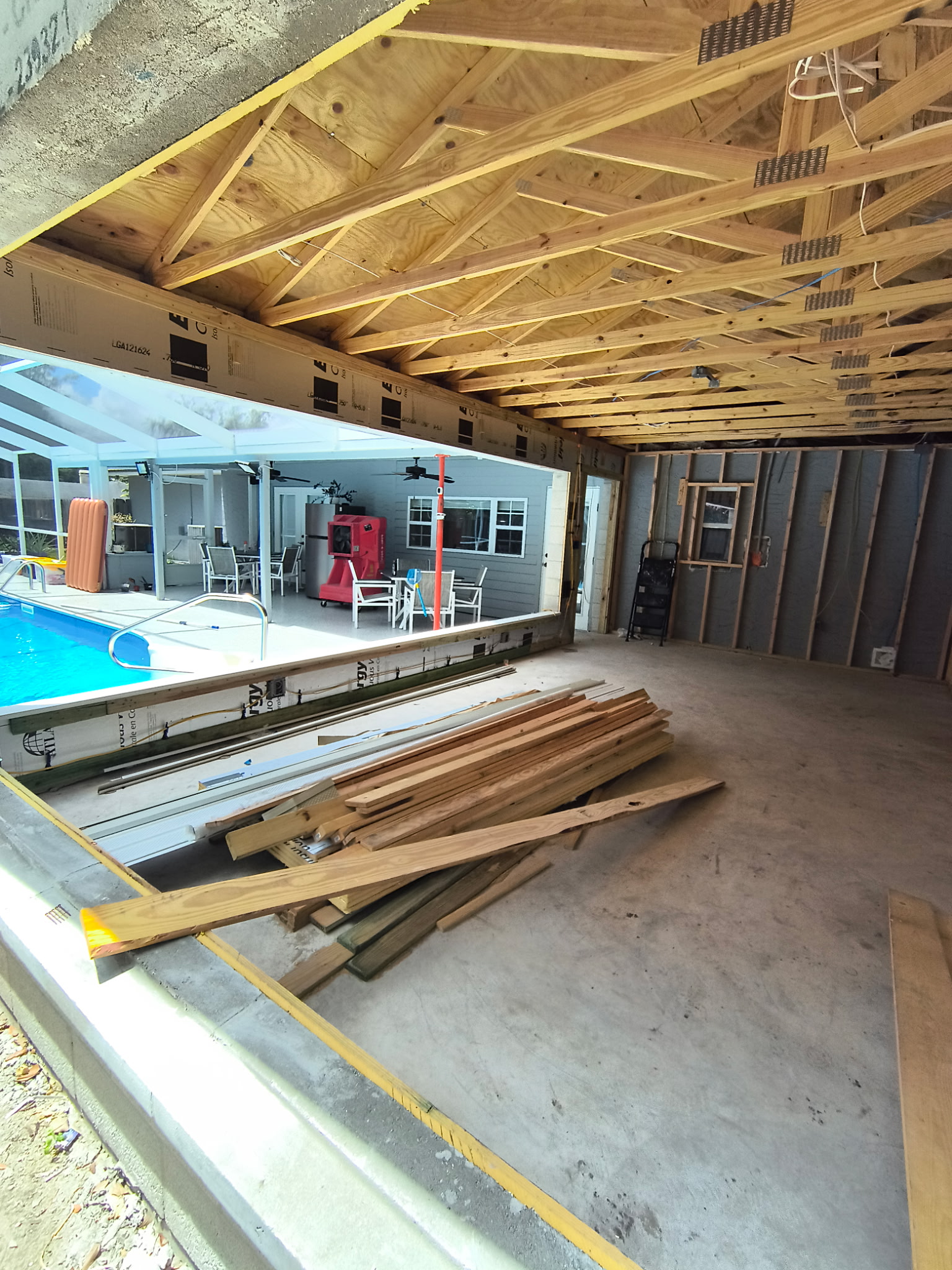
- Foundation and framing
- Roofing and exterior dry-in
- Electrical / plumbing / HVAC rough-ins
- Insulation and drywall
- Trim, flooring, paint, finishes
- Final inspections
Weather, permitting, material lead times, and change orders can all affect schedule.
A professional contractor helps keep expectations realistic and communication clear.
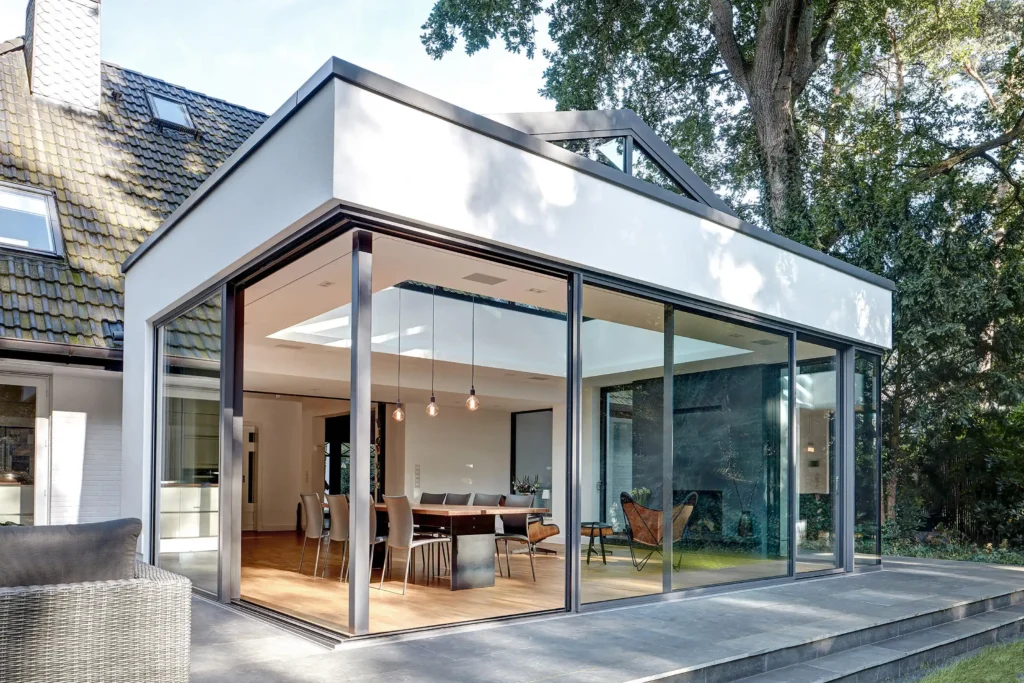
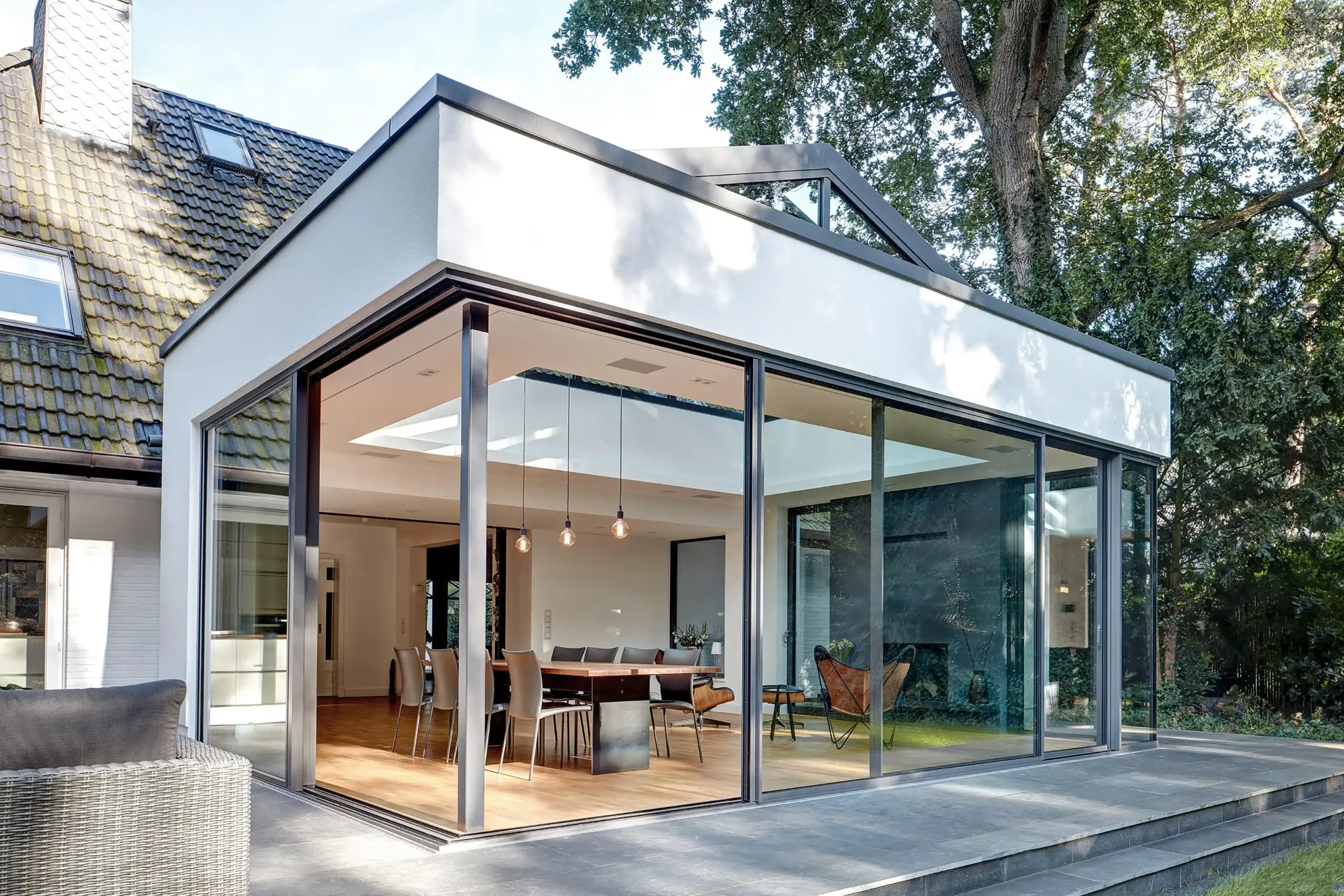
Step 5: Match the Addition to the Existing Home
A great addition should feel like it belongs there.
That means considering:
- Roofline consistency
- Exterior finishes
- Flooring transitions
- Interior flow
- Window placement
- Natural light
- HVAC balance
Poorly planned additions can feel awkward. Well-designed ones feel original to the house.
Common Mistakes to Avoid
Choosing Only by Lowest Price
The cheapest bid can become the most expensive if corners are cut.
Ignoring Future Needs
Build for where your family is headed, not only where it is today.
Underestimating Disruption
Some additions affect daily routines during construction. Planning helps.
Not Verifying Licensing and Insurance
Always hire a properly licensed and insured contractor.
Why a Professional Contractor Matters
Home additions combine structural work, design, code compliance, scheduling, and craftsmanship. You need more than someone who can “build stuff.”
You need a team that can manage the full process.
At Evangelisto Construction, we help homeowners plan additions with transparency, quality workmanship, and practical guidance from start to finish.
Why Central Florida Homeowners Choose Evangelisto Construction
We proudly serve homeowners across Central Florida with remodeling, additions, roofing, concrete, and custom improvement services. Our focus is honest communication, dependable work, and results built to last.
Ready to Add Space to Your Home?
If your house no longer fits your needs, moving is not your only option. A smartly planned addition can give you the space you need while increasing the value of the home you already love.
Contact Evangelisto Construction today for a consultation and quote.